
The Barbershop,
Evolved.
The Barbershop,
Evolved.
Grooming
The interesting story heading into October is not simply what is new, but how much more specialized the grooming routine has become.
/
7 min

Watch
Watch
Stories, products, cuts, and conversations worth watching.
Products that continue showing up in conversations and routines.Stories, products, culture, and conversations worth watching.

Fashion still organizes itself around seasons, even as the way people actually dress has become much less predictable. GREG LABORATORY’s Fall/Winter 2026 collection takes a more durable approach.
7 min
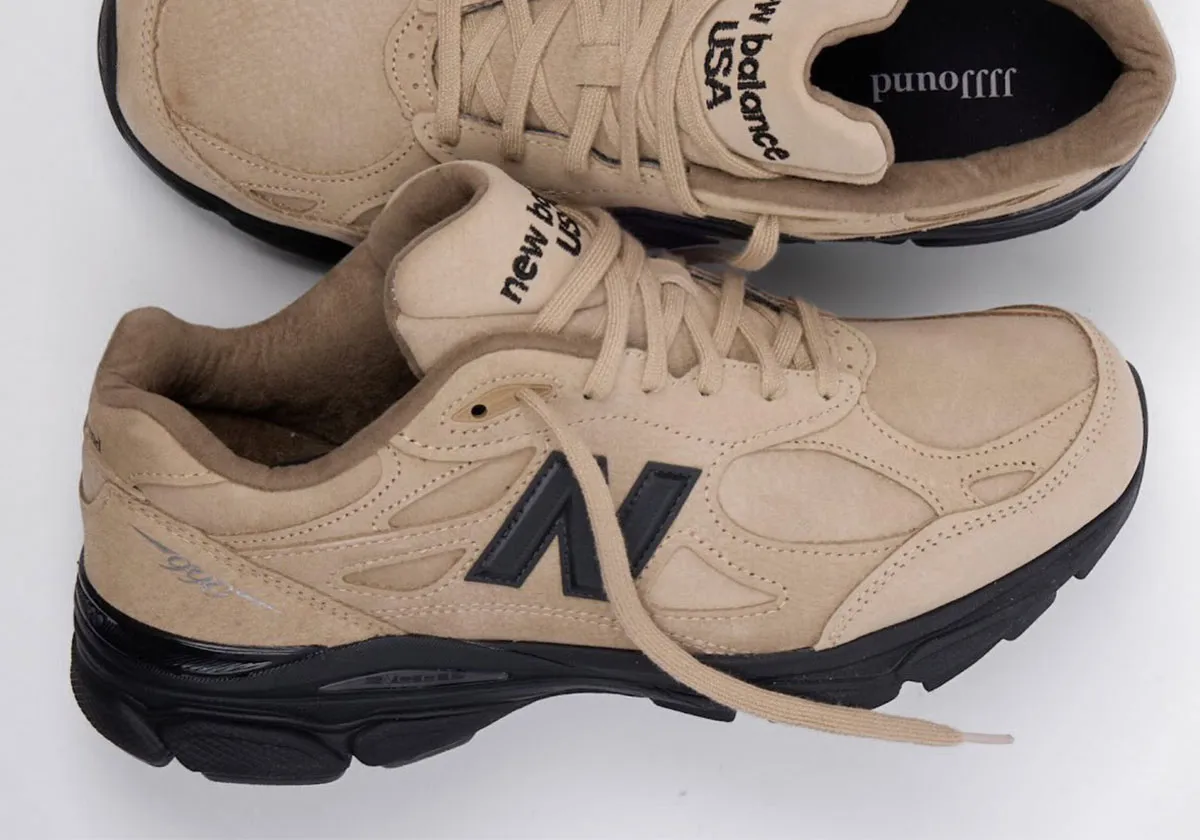
Covering the upper in tan suede makes the shoe feel heavier, quieter, and more appropriate for colder months, while the black sole gives the otherwise soft palette a harder base
5 min
Current Favorites
Current Favorites
Products that continue showing up in conversations and routines.
Products that continue showing up in conversations and routines.





Currently Testing
Currently Testing
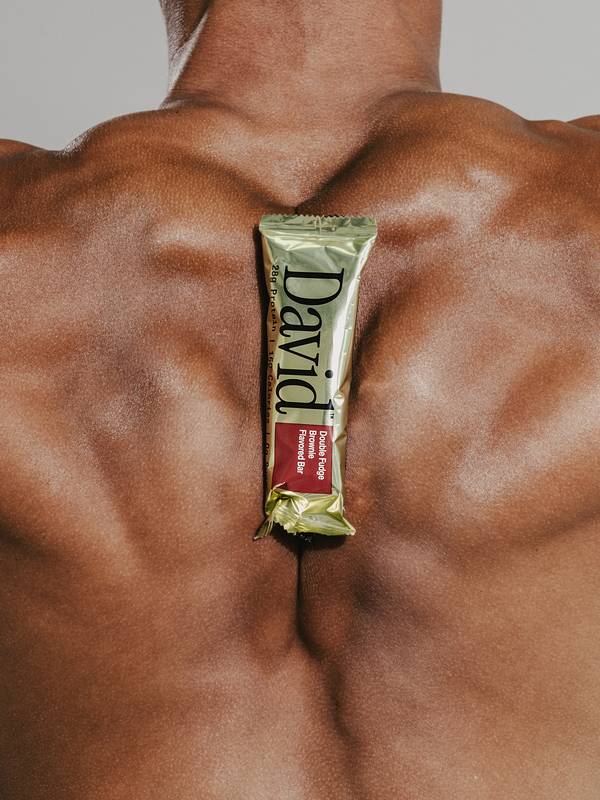
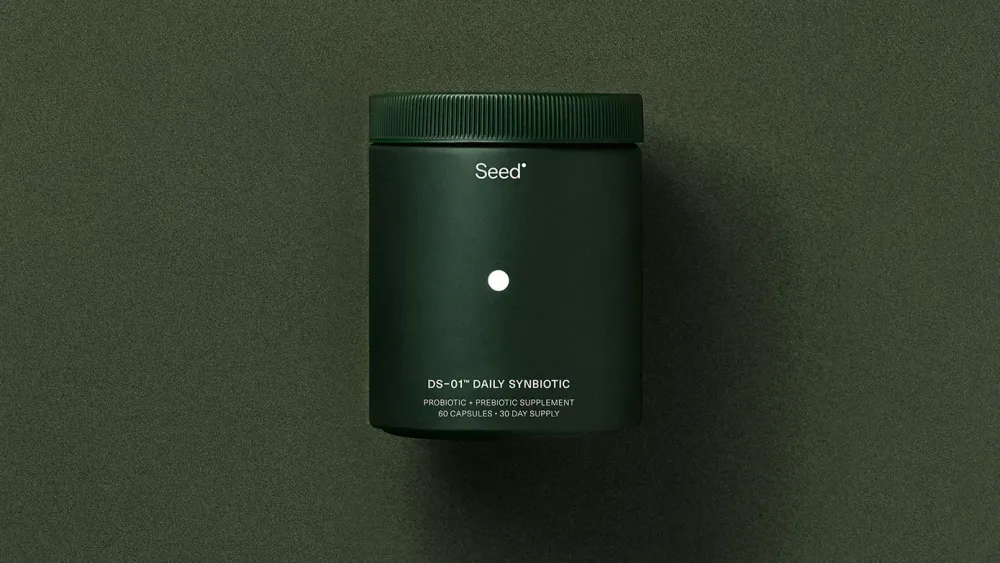
Products our community has been testing.
Products our community has been testing.

cure

6hr



uninterrupted
6hr

atlas
1hr

field
8hr

bevel
7hr
Want us to test yours?
Want us to test yours?
Products are introduced naturally during real grooming appointments. We capture what men notice, question, like, misunderstand, and talk about—then turn those moments into creative brands can actually use.
Products are introduced naturally during real grooming appointments. We capture what men notice, question, like, misunderstand, and talk about—then turn those moments into creative brands can actually use.
Grooming
Clippers, Trimmers, and Foil Shavers Do Three Different Jobs
Clippers, Trimmers, and Foil Shavers Do Three Different Jobs
They are designed around three stages of the work: establishing the shape, defining the edge, and removing the final visible stubble.
Tyler
6 min

Culture
Gen Z Is Spending More on Art and Showing Less of It
Gen Z Is Spending More on Art and Showing Less of It
According to the 2026 Art Basel and UBS Survey of Global Collecting, Gen Z high-net-worth collectors spent more on fine art than any other generation surveyed, while also proving to be the most private about what they own.
James Davis
7 min

Lifestyle
Uniqlo and JW Anderson Keep Proving Basics Don’t Have to Be Boring
Uniqlo and JW Anderson Keep Proving Basics Don’t Have to Be Boring
UNIQLO and JW ANDERSON are returning for Fall/Winter 2026 with a collection built around theater, academic dressing, and the kind of familiar clothes that become more interesting through proportion and styling rather than spectacle.
Tyler
5 min

BarberShop Talk
The Barbershop Was a Media Network Before Social Media
The Barbershop Was a Media Network Before Social Media
It already had the basic structure of a network: recurring attention, recognizable voices, live response, and information that traveled beyond the room.
Tyler
7 min

Grooming
Why Does My Scalp Itch After a Haircut?
Why Does My Scalp Itch After a Haircut?
The cut may have irritated the skin, revealed a condition that was already present, or introduced a product your scalp does not tolerate.
Tyler

Lifestyle
GREG LABORATORY Is Designing Clothes for Time, Not Seasons
GREG LABORATORY Is Designing Clothes for Time, Not Seasons
Fashion still organizes itself around seasons, even as the way people actually dress has become much less predictable. GREG LABORATORY’s Fall/Winter 2026 collection takes a more durable approach.
Avery Simms
7 min
Community Signal
Q3 2026
What Men Are Looking For
A quarterly read on the needs, questions, and products gaining attention across the Park AndJungle community.
#
TREND
SIGNAL
1
Nutrition
Healthier meals, less planning
2
Energy
Energy without more caffeine
3
Sleep
Better Sleep without medication
4
Scalp Help
Relief for dry, irritated scalps
5
Grooming
Low-maintenance grooming
6
Hair-Loss
Early answers about hair loss
Built from recurring conversations, product interactions, article interest, and observed behavior across the Park AndJungle community.
Join The Conversation
Park AndJungle
The barbershop, evolved.
The appointment might improve your appearance. The conversation might improve your week
Grooming
Grooming
Practical guidance on hair, skin, scalp health, shaving, products, and the routines men bring into the chair.
GROOMING
They are designed around three stages of the work: establishing the shape, defining the edge, and removing the final visible stubble.
GROOMING
The cut may have irritated the skin, revealed a condition that was already present, or introduced a product your scalp does not tolerate.

GROOMING
A good haircut begins with an agreement about what is going to happen.

GROOMING
Men are paying more attention to what happens between haircuts, especially scalp health, conditioning, thinning, shedding, and the long-term condition of the hair itself.

GROOMING
Tears, an eau de parfum launching September 18, attempts to capture cotton not as a clean fabric accord, but as part of a specific landscape in rural Georgia.
GROOMING
The interesting story heading into October is not simply what is new, but how much more specialized the grooming routine has become.

GROOMING
The new clipper builds on the original Vapor with a two-speed motor, a redesigned taper lever, upgraded blade technology, and automatic power adjustment based on hair density and texture. It is available now for $249.99 through Wahl Professional.

GROOMING
The category used to have one job. Now brands like AKT London are turning deodorant into something closer to skincare, fragrance and a full-body ritual.

GROOMING
If fragrance is really about identity, perhaps the more interesting question is not just about what smells expensive, it's about who gets to define what expensive is supposed to smell like in the first place.

GROOMING
Maybe we've spent too much time trying to convince people that flossing is important and not enough time making flossing itself better.
Health
Health
Clear, useful reporting on the conditions, habits, and health questions men are often reluctant to discuss.

HEALTH
The supplement aisle used to sell discipline. Take this capsule every morning. Swallow these vitamins with breakfast. Measure this powder after the gym. The product was something you remembered to take because you believed it was good for you. Increasingly, that is changing. The most interesting wellness brands are designing supplements around moments people already understand: the first drink of the morning, the bottle of water at a desk, the pre-workout mix, the afternoon reset, the nighttime routine. Supplements are beginning to behave less like medicine cabinets and more like food, beverage, and personal rituals.
The numbers help explain why. Innova Market Insights reported this summer that roughly two in five U.S. consumers take supplements every day, but regular use does not necessarily translate into brand loyalty. At the same time, functional nutrition is moving beyond traditional capsules and powders into mainstream beverages, snacks, grocery aisles, and other familiar formats. Strategy firm OC&C describes the shift as functional nutrition moving “out of supplement cupboards and into everyday consumer routines.” The important change is not simply what ingredients people are buying. It is where those ingredients fit into a day.
Look at hydration. Humantra has been expanding through major U.K. grocers including Sainsbury’s, positioning electrolytes as something for everyday wellness rather than something reserved for endurance athletes. Alpha Lion has taken a similar behavioral approach from a different direction. Its current GNC assortment includes products organized around different moments, from workouts to cravings to nighttime, effectively turning what might once have been a collection of supplements into a 24-hour system. Even ARMRA’s rapid expansion into more than 7,600 retail doors through Whole Foods, Sprouts, Walmart, Erewhon, and The Vitamin Shoppe reflects the same broader transition. Products that once required consumers to seek out a specialty wellness brand are increasingly appearing inside places and routines they already visit.
That shift makes seemingly small decisions such as flavor, texture, packaging, preparation, portability, and timing much more important. A powder mixed every morning has to compete not only on an ingredient panel but with coffee, breakfast, and whatever else already owns that moment. An electrolyte packet sitting beside a water bottle has to be pleasant enough to use repeatedly. A nighttime supplement needs to make sense beside the routines people associate with winding down. Recent trend research has started describing this explicitly as “ritual nutrition,” with products increasingly attached to specific moments, moods, and states throughout the day. Flavor is becoming part of that equation too. Functional products are borrowing recognizable profiles from beverages and food because taste can make repetition easier.
None of this means consumers have stopped caring about whether a product works. In fact, that may be the mistake brands should avoid. New U.S. consumer research from Knit found that efficacy, reasonable pricing, and ingredient trust remain more important than novelty in format or flavor. The opportunity is not to disguise a supplement as candy or make the science secondary. It is to understand that efficacy may earn the first purchase, while the experience surrounding the product helps determine whether it becomes part of someone's life. As supplements become more crowded and increasingly accessible, the brands with an advantage may be the ones that can answer two questions equally well: Why should I believe this works? and Where does this belong in my day?
For years, supplement companies built products people had to remember to take. The next generation is increasingly designing products people can build a routine around. That distinction sounds small, but it changes the product, packaging, marketing, retail strategy, and ultimately the relationship between a brand and its customer.
For years, supplement companies built products people had to remember to take. The next generation is increasingly designing products people can build a routine around.

HEALTH
A recent Florida International University study tested four popular watches, the Apple Watch Series 8, Garmin Forerunner 955, Samsung Galaxy Watch5, and Fitbit Sense 2, against a laboratory metabolic analyzer that directly measures energy expenditure from the gases a person breathes. Across 58 adults performing standardized cycling workouts, the watches showed substantial errors in calorie estimates, with typical errors around 15 to 25 percent and much larger discrepancies in some participants.
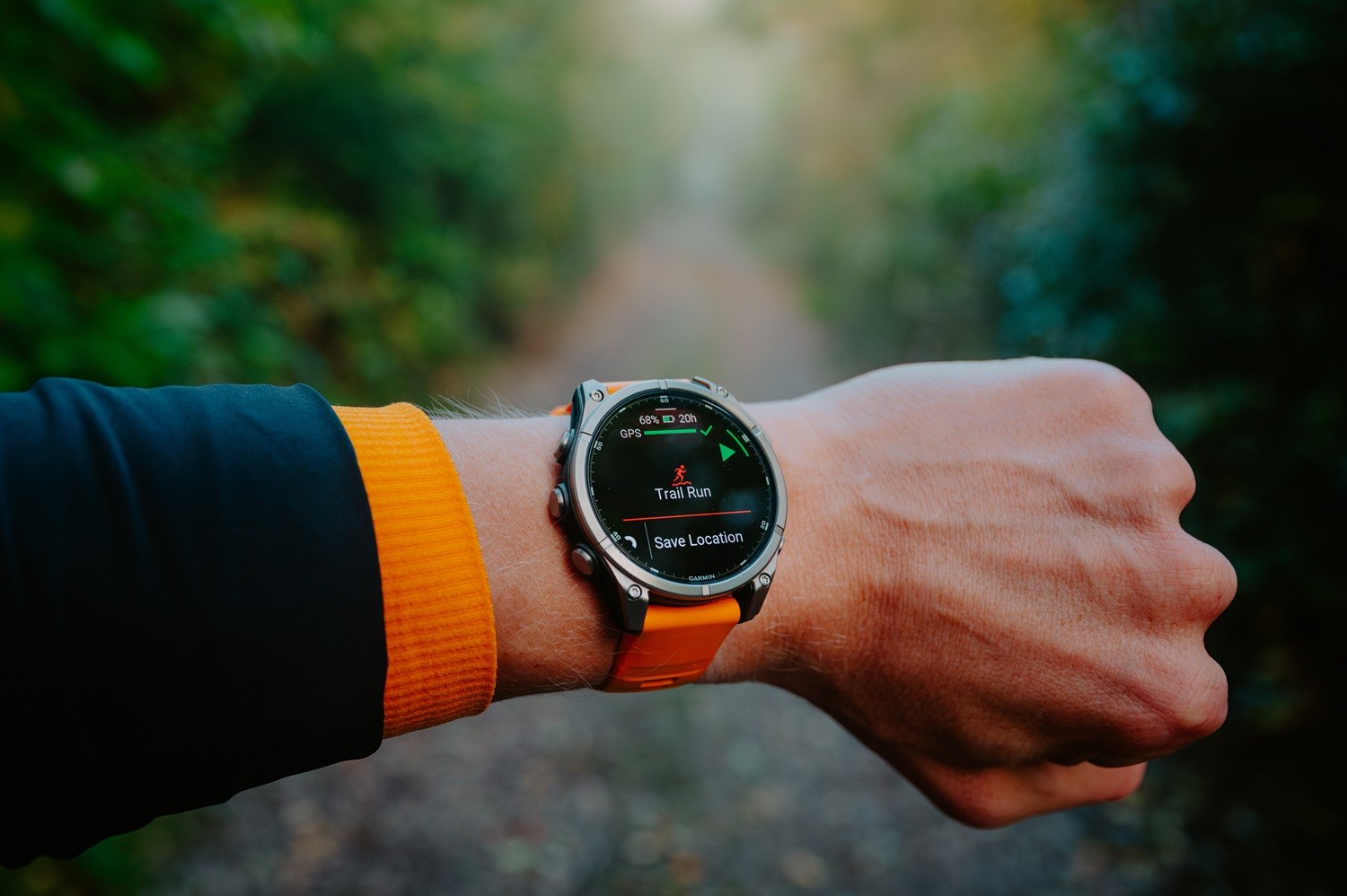
The watches are not actually measuring calories. They are estimating them. Movement sensors and optical heart-rate readings are combined with information such as age, sex, height, and weight, then fed through proprietary algorithms. That works reasonably well for some metrics, but energy expenditure is influenced by considerably more, including body composition, fitness, movement efficiency, and individual physiology.
The most interesting finding was that accuracy declined as body-fat percentage increased. The researchers found this effect across the devices they tested, with some errors reaching 50 to 100 percent or more among participants with higher body-fat percentages. They did not find a significant relationship between skin tone and calorie-estimation error under the conditions of the study.
That matters because calorie burn is often treated differently from the other numbers on a watch. If your step count is slightly wrong, very little changes. But someone trying to lose weight may use a reported 600-calorie workout to justify eating more later, believing the exercise created a larger calorie deficit than it actually did. Lead researcher Jason Kostrna warns that these errors can accumulate over time, potentially turning what someone believes is a deficit into maintenance or even a surplus.
None of this makes the smartwatch useless. Heart rate, distance, pace, workout duration, and long-term trends can still provide useful feedback. The better approach is to treat calorie expenditure as an estimate rather than an accounting statement. A watch can tell you that one workout was probably more demanding than another. It cannot reliably tell you that you have earned exactly 487 calories of food.
The larger lesson may apply to the rest of the quantified-health movement as well. Wearables increasingly present complicated physiological estimates as clean numbers, sometimes down to a single point. That precision can create confidence the underlying measurement does not deserve.
So if your watch tells you that you burned 700 calories during a hard workout, there is no need to ignore it completely. Just do not mistake a useful estimate for a laboratory measurement. The most valuable thing the watch may tell you is still much simpler: you moved today.
Smartwatches are very good at making exercise feel measurable. You finish a workout, look down, and see distance, heart rate, time, steps, and one especially satisfying number: calories burned. The problem is that the calorie number may be much less precise than it looks.

HEALTH
Before You Take Peptides for Weight Loss, Know What You’re Actually Taking
A client mentioned something recently that I had already heard once before.
He had started taking peptides to lose weight.
That made two men in the chair, independently, using essentially the same language.
“Peptides.”
Not Ozempic. Not Wegovy. Not Zepbound.
Peptides.
That distinction matters, because the word is beginning to function almost like “supplements”—a broad, reassuring category that can make very different substances sound interchangeable.
They are not.
Some peptide-based medications now have some of the strongest clinical evidence ever produced for pharmaceutical weight loss. Others being promoted online or through wellness clinics have limited human data, uncertain manufacturing standards, or no FDA approval for weight loss at all.
So before deciding whether peptides are good, bad, revolutionary, or dangerous, there is a more basic question men should ask:
What exactly are you taking?
First: what is a peptide?
A peptide is simply a chain of amino acids—the same basic building blocks that make up proteins.
Your body naturally produces many peptides that act as signals, telling other systems when to release hormones, regulate appetite, control blood sugar, repair tissue, or perform other functions.
Scientists can also manufacture peptide-based medicines that imitate or modify those signals.
That is why drugs like semaglutide and tirzepatide get pulled into the broader “peptide” conversation.
Semaglutide mimics GLP-1, a hormone involved in appetite regulation and glucose metabolism. Tirzepatide acts on both GLP-1 and GIP receptors. These drugs affect insulin and glucagon signaling, slow gastric emptying, and act on areas of the brain involved in satiety, often allowing people to feel satisfied with considerably less food.
That is very different from simply taking a “fat-burning peptide.”
The drugs people are usually talking about
For weight management in the United States, two names currently dominate the conversation.
Wegovy contains semaglutide.
Zepbound contains tirzepatide.
Wegovy is FDA-approved for long-term weight reduction in adults with obesity, or adults with overweight who also have at least one weight-related medical condition. It is also approved for adolescents age 12 and older with obesity.
Zepbound is approved for adults with obesity, or adults with overweight plus at least one weight-related condition. As of its current 2026 prescribing information, its safety and effectiveness have not been established in pediatric patients.
You will also hear Ozempic and Mounjaro mentioned constantly. They contain semaglutide and tirzepatide respectively, but those particular brands were developed and approved primarily around type 2 diabetes rather than chronic weight management.
Same molecule does not always mean same indication, formulation, dose, or treatment plan.
Do they actually work?
Yes.
And that is an important part of this conversation.
In the landmark STEP 1 trial, adults with overweight or obesity receiving weekly semaglutide 2.4 mg lost an average of 14.9% of their body weight over 68 weeks, compared with 2.4% with placebo.
Tirzepatide has produced even larger reductions in clinical trials. In a direct comparison published in 2025, participants receiving tirzepatide lost an average of 20.2% of their body weight over 72 weeks, compared with 13.7% among those receiving semaglutide.
Those are not supplement-level effects.
They are medically significant.
And the public has noticed.
Gallup reported in July 2026 that 11% of U.S. adults currently use GLP-1 medications for weight loss, up from just 3% in 2024. Fifteen percent said they had used one at some point, and awareness of the drugs had reached 91%.
So hearing about them repeatedly in the chair is probably not a coincidence.
What people mean by “food noise”
There is another effect that does not show up as neatly on a scale.
Spend enough time around people taking GLP-1 medications and you will hear the phrase “food noise.”
People describe thinking about food less.
Not fighting themselves past the bakery. Not negotiating with themselves about a second helping. Not beginning to think about dinner immediately after lunch.
In online GLP-1 communities, the disappearance—and sometimes return—of “food noise” is one of the most frequently discussed experiences. It is anecdotal language rather than a formal diagnosis, but it maps plausibly onto the medications' known effects on satiety and appetite signaling.
For someone who has spent years feeling like hunger requires constant negotiation, that can feel profound.
It also helps explain why calling these drugs “the easy way out” misunderstands what they are doing physiologically.
Who are they actually for?
This is where the conversation should become less casual.
There is no evidence-based age like 30, 35, or 40 when men should suddenly start taking peptides.
Age is not the primary question.
For adult weight-management drugs, clinicians generally look at obesity, overweight plus related health conditions, metabolic health, medical history, previous attempts at weight management, medication interactions, and the expected benefit versus risk.
The pivotal trials generally enrolled adults with a BMI of at least 30, or at least 27 with a weight-related condition such as hypertension, dyslipidemia, obstructive sleep apnea, or cardiovascular disease.
BMI is an imperfect measurement, particularly in muscular individuals, and a physician may consider other measures of health as well.
The important distinction is between treating a chronic health problem and using a powerful medication simply because someone would prefer to be leaner by summer.
Those are not automatically the same risk-benefit calculation.
For adolescents, the standard is even higher. Wegovy has an approved indication beginning at age 12 for obesity, but treatment in younger people belongs within medical obesity care—not a social-media peptide protocol.
For older men, there is not necessarily a hard upper-age cutoff either. But maintaining strength, muscle, adequate nutrition, and function becomes increasingly important as weight comes off.
The muscle question deserves more attention
This is particularly relevant for men.
When people lose substantial amounts of weight, they generally lose some lean tissue along with fat.
That happens with dieting too.
A 2026 meta-analysis of randomized trials found that lean mass represented roughly 25% to 39% of total weight lost with incretin-based medications, depending on the drug. The proportion was broadly similar to lifestyle-induced weight loss, but resistance training was associated with substantially better lean-mass preservation.
In a tirzepatide body-composition substudy, approximately 75% of the weight lost was fat mass and 25% was lean mass.
That does not mean these medications “eat your muscles.”
It means a man losing 40, 50, or 70 pounds should probably care about what the weight is made of, not only what the scale says.
Resistance training, sufficient protein, appropriate nutrition, and monitoring strength become part of responsible weight loss—not optional accessories after the medication does its job.
The side effects are real
The most common problems are gastrointestinal.
Nausea, diarrhea, vomiting, constipation, abdominal discomfort, and indigestion occur frequently, particularly while the dose is being increased. In STEP 1, gastrointestinal disorders occurred in 74.2% of semaglutide participants versus 47.9% receiving placebo, although most events were mild to moderate and temporary.
There are also less common but more serious concerns.
Current prescribing information includes warnings around severe gastrointestinal reactions, gallbladder disease, pancreatitis, kidney injury related to dehydration, hypoglycemia when used with certain diabetes medications, hypersensitivity reactions, and aspiration risk during anesthesia or deep sedation because the drugs delay stomach emptying.
Both semaglutide and tirzepatide carry boxed warnings concerning thyroid C-cell tumors observed in rodents. Whether this risk translates to humans remains unknown, but these drugs are contraindicated for people with a personal or family history of medullary thyroid carcinoma or Multiple Endocrine Neoplasia syndrome type 2.
Interestingly, one concern that circulated heavily online appears less supported by current evidence: suicidal thoughts. After reviewing available data, the FDA announced in January 2026 that it had not identified an increased risk of suicidal behavior or ideation with GLP-1 medications and requested removal of that warning from relevant labels.
The safety conversation should evolve when the evidence does.
Stopping can be harder than starting
These medications are often discussed like a temporary weight-loss program.
The research increasingly suggests that may be the wrong mental model.
In an extension of the STEP 1 trial, participants regained roughly two-thirds of the weight they had lost within a year of stopping semaglutide, while many of their cardiometabolic improvements moved back toward baseline.
The same pattern has appeared with tirzepatide. Participants in the SURMOUNT-4 trial who switched from tirzepatide to placebo regained substantial weight, while those who remained on treatment maintained or continued their weight reduction.
That does not mean every person must remain on medication forever.
It does mean the question “How do I get off it?” should probably be discussed before the first injection, not after the goal weight is reached.
Obesity behaves much more like a chronic condition than a 12-week challenge.
Then there is the other peptide market
This may be the most important distinction of all.
Semaglutide and tirzepatide are peptide-based medicines supported by large randomized clinical trials.
That does not mean every product being sold under the word “peptide” carries similar evidence.
Online clinics and peptide communities discuss compounds including AOD-9604, CJC-1295, ipamorelin, MOTS-C, BPC-157, retatrutide, and cagrilintide.
Those names should not be mentally placed in the same bucket as FDA-approved weight-management medications.
The FDA says compounded AOD-9604 has limited safety information and notes that a 536-person obesity trial failed to demonstrate significant weight loss versus placebo, leading its developer to terminate development for obesity.
The agency has identified limited clinical data and serious adverse-event concerns around CJC-1295 and ipamorelin, and lists several popular peptide compounds among substances that may present significant safety risks when compounded.
Retatrutide and cagrilintide are particularly worth mentioning because interest around them has exploded online. As of 2026, the FDA states that neither is a component of an FDA-approved drug, neither has been established as safe and effective for any condition, and they cannot lawfully be used in compounding under federal law.
“Peptide” is chemistry.
It is not a safety certification.
Compounded does not mean generic
Cost has created another complication.
Gallup found that 19% of current GLP-1 users reported taking a compounded or custom-mixed version rather than a brand-name drug. Among people who moved from brand-name medications to compounded versions, cost or insurance coverage was the dominant reason.
But compounded GLP-1s are not FDA-approved generic versions.
The FDA does not review compounded drugs for safety, effectiveness, or quality before they are sold. The agency has reported dosing errors, fraudulent labels, improper shipping temperatures, and adverse events involving compounded semaglutide and tirzepatide. As of May 31, 2026, it had received 990 adverse-event reports associated with compounded semaglutide and more than 730 involving compounded tirzepatide.
Some dosing errors have involved people injecting five to 20 times their intended semaglutide dose because of confusion between milligrams, milliliters, and syringe “units.”
If price pushes someone toward compounding, that conversation should happen with a qualified prescriber—not an Instagram ad.
If you are considering peptides, ask these questions first
Before taking anything marketed as a weight-loss peptide, know the answers to six things:
What is the exact molecule?
Not “a GLP-1.” Not “a peptide stack.” The actual drug.
Is it FDA-approved for what I am taking it for?
What health problem are we trying to improve besides the number on the scale?
What medical history could change the risk?
That includes gastrointestinal disease, gallbladder or pancreatic problems, kidney issues, diabetes medications, relevant thyroid-cancer history, and upcoming anesthesia or surgery.
How will I protect muscle and nutrition while losing weight?
What is the long-term plan if the medication works?
If the person selling you the peptide cannot answer those clearly, that is useful information too.
What the conversation in the chair is telling us
These medications are moving out of endocrinology offices and into ordinary conversations among men who want to lose weight, perform better, feel healthier, or simply regain some control over an area of life they have struggled with.
That is not inherently bad.
The strongest evidence tells us that properly prescribed GLP-1 and GIP-based medicines can produce significant weight loss and meaningful improvements in health.
But their success has also created an ecosystem of clinics, compounded products, experimental molecules, social-media protocols, and products borrowing credibility from medicines they may barely resemble.
So the useful question is no longer:
“Do peptides work?”
It is:
Which peptide? For whom? For what problem? Supported by what evidence? And what happens after the weight comes off?
This article is for general education. Prescription weight-management medications should be considered with a qualified healthcare professional who can evaluate individual risks, medications, health conditions, and treatment goals.
The word 'Peptides' is beginning to function almost like “supplements”—a broad, reassuring category that can make very different substances sound interchangeable.

HEALTH
The goal is not to optimize every bite. It is to build an eating routine that protects your energy, attention, and sleep without turning food into another job.
Productivity culture has made eating unnecessarily complicated.
There is always a new fasting window, supplement stack, glucose monitor, or morning drink promising cleaner focus and better performance. The men who remain productive over long periods, however, are rarely surviving on stimulants and willpower. They tend to make food predictable.
They know what they eat before a demanding morning. They have a dependable lunch that does not derail the afternoon. They keep water nearby, understand when to stop drinking coffee, and do not wait until they are exhausted to think about dinner.
The advantage is not perfection. It is consistency.
They build a small rotation of reliable meals
Productive men do not necessarily eat the same thing every day, but they often remove unnecessary decisions from the process.
A useful rotation might include two breakfasts, three lunches, and a few dinners that can be made without much thought. Each meal has a recognizable structure: a source of protein, a fruit or vegetable, a useful carbohydrate, and enough fat to make the meal satisfying.
That could mean eggs, oats, and fruit in the morning; chicken, rice, and vegetables at lunch; or salmon, potatoes, and greens at dinner. The specific menu matters less than having real meals available before hunger turns convenience into the only criterion.
Current federal dietary guidance similarly emphasizes eating primarily nutrient-dense foods, including protein sources, vegetables, fruit, healthy fats, dairy, and whole grains, while reducing reliance on highly processed products.
They do not confuse hunger with discipline
Skipping a meal can occasionally be practical. It is not automatically evidence of greater focus.
Some men function well without breakfast. Others reach 11 a.m. distracted, irritable, and ready to eat whatever is closest. Research in healthy adults suggests breakfast may offer a small benefit for memory, although the effects on attention and executive function are less consistent. The evidence does not support one mandatory breakfast rule for everyone.
The useful question is not whether breakfast is virtuous. It is whether your current eating pattern supports the work in front of you.
A man who trains early, works on his feet, or faces a morning of complex decisions may benefit from eating sooner. Someone who feels clear and physically comfortable delaying food may not need to force a meal simply because a wellness article told him to.
The habit is awareness rather than ideology.
They choose meals that make the next few hours easier
A productive meal should not create another problem.
Meals built mainly around refined snacks, sugary drinks, or highly processed convenience foods may be easy to obtain, but they can make appetite and portion control harder. In a controlled NIH trial, participants eating an ultra-processed diet consumed roughly 500 more calories per day and gained weight compared with when they ate a minimally processed diet, despite the diets being designed to match several presented nutrients.
This does not mean every packaged food is harmful. It means the foundation of the day should not depend entirely on foods engineered to be eaten quickly and repeatedly.
The practical standard is simple: after lunch, you should still feel capable of doing your job.
They drink water before diagnosing themselves with fatigue
A surprising amount of afternoon troubleshooting begins with another coffee.
Sometimes the simpler intervention is water.
Studies have linked dehydration with increased fatigue and poorer performance in areas including attention, memory, mood, and reaction time, although the size of the effect can vary by person and circumstance. In one controlled study, rehydration improved several of those measures after participants became dehydrated.
Productive men make hydration visible. A bottle stays on the desk, in the vehicle, or inside the work bag. Water is consumed throughout the day rather than treated as compensation after hours of neglect.
Electrolytes can be useful around prolonged exercise, heavy sweating, heat, or illness. They are not automatically necessary for an ordinary day spent indoors.
They use caffeine instead of letting caffeine use them
Coffee can improve alertness. It can also quietly borrow energy from the following day.
A controlled study found that a substantial caffeine dose consumed six hours before bedtime still disrupted sleep. A broader systematic review found that caffeine reduced total sleep time and sleep efficiency on average, while also delaying sleep onset and reducing deeper sleep.
The lesson is not that productive men avoid coffee. It is that they give it boundaries.
They drink it deliberately, not continuously. They know approximately how much they consume. Most importantly, they establish a cutoff early enough that today’s attempt at focus does not damage tonight’s recovery.
A 4 p.m. coffee can feel productive while you are drinking it. The real cost may appear the following morning.
They keep emergency food from becoming their normal diet
Busy schedules make imperfect meals inevitable.
The problem begins when every meal becomes an emergency.
A small backup system prevents that: fruit, nuts, yogurt, tuna, prepared rice, boiled eggs, a sandwich, or a dependable restaurant order that resembles an actual meal. The goal is not elaborate meal preparation. It is maintaining a few acceptable options when the day stops cooperating.
This is where productive eating becomes less about nutrition knowledge and more about environment. The food you can reach will usually beat the food you intended to eat.
They eat for tomorrow, too
The most useful eating habit may be understanding that performance does not reset at midnight.
An evening built around excess food, alcohol, and late caffeine may still affect the next morning. Conversely, a straightforward dinner and a reasonable caffeine cutoff help protect the sleep that attention, judgment, training, and emotional regulation depend on.
Food cannot make someone disciplined, creative, or effective. It can, however, make those qualities easier or harder to access.
The eating habits of productive men are rarely dramatic. They are repetitive, flexible, and designed to reduce friction.
Eat real meals. Keep dependable options nearby. Hydrate before reaching for another stimulant. Protect sleep. Repeat what works.
The best productivity diet is usually the one you can follow without thinking about it all day.
This article is for general education and is not a substitute for individualized medical or nutritional guidance.
The goal is not to optimize every bite. It is to build an eating routine that protects your energy, attention, and sleep without turning food into another job.

HEALTH
When most men think about measuring their health, they look at the scale.
Weight. Body fat. BMI.
But there's another metric that's receiving increasing attention from researchers because of what it may reveal about long-term health: grip strength.
It takes less than 30 seconds to measure with a hand dynamometer, yet numerous large-scale studies have found that lower grip strength is associated with a higher risk of cardiovascular disease, disability, hospitalization, and earlier mortality. While grip strength doesn't determine your future, it has become one of the simplest indicators clinicians use to assess overall physical function. (Cleveland Clinic, NIH)
So why does squeezing something as hard as you can matter so much?
Because grip strength is rarely just about your hands.
It reflects the health of your muscles, nervous system, and your ability to generate force throughout the body. A strong grip often accompanies regular resistance training, better mobility, and higher levels of physical activity—all habits linked to healthier aging.
Researchers have even found that declines in grip strength can precede noticeable declines in mobility and independence, making it a useful screening tool long before more obvious symptoms appear. (NIH)
The encouraging part is that grip strength is highly trainable.
Deadlifts, pull-ups, rows, farmer's carries, kettlebell holds, and simply hanging from a pull-up bar all challenge the muscles responsible for gripping. In many cases, improving overall strength naturally improves grip strength without requiring specialized exercises.
The takeaway isn't that you should obsess over squeezing a dynamometer.
It's that health is often better measured by what your body can do than by what it weighs.
The number on the scale tells you how heavy you are.
Your grip strength may tell you how well you're prepared for the decades ahead.
It takes less than 30 seconds to measure with a hand dynamometer, yet numerous large-scale studies have found that lower grip strength is associated with a higher risk of cardiovascular disease, disability, hospitalization, and earlier mortality.

HEALTH
Testosterone has become one of the biggest conversations in men's health.
Open almost any social media app and you'll find promises of higher energy, increased muscle, sharper focus, and improved performance—all from a single supplement. But according to sports dietitian Dana Angelo White, most over-the-counter "testosterone boosters" fail to deliver on those claims.
The issue isn't necessarily the ingredients.
It's the expectation.
Many products combine herbs, vitamins, and minerals that have shown limited or inconsistent results in small studies, but few have demonstrated meaningful improvements in testosterone levels for healthy men. Ingredients like Tribulus, DHEA, ashwagandha, fenugreek, Tongkat Ali, and shilajit continue to dominate the category despite mixed evidence and, in some cases, potential side effects or interactions with medications.
The more important question may be why testosterone has become such a cultural fixation.
For many men, low energy, declining performance, poor recovery, and reduced motivation are real concerns. Supplements promise a simple solution to problems that are often rooted in sleep, stress, nutrition, alcohol consumption, obesity, or underlying medical conditions. Those factors can all influence hormone levels far more than an over-the-counter capsule.
That doesn't mean testosterone should be ignored.
Persistent symptoms like fatigue, low libido, erectile dysfunction, or unexplained changes in body composition warrant a conversation with a physician. A diagnosis of clinically low testosterone requires symptoms alongside repeated blood testing—not a social media checklist or an online quiz.
The takeaway isn't that every supplement is a scam.
It's that hormones don't respond well to shortcuts.
Before spending hundreds of dollars chasing a marketing promise, the fundamentals still matter most: quality sleep, regular resistance training, a balanced diet, stress management, and appropriate medical evaluation when symptoms persist.
In a wellness industry built on optimization, those habits remain the closest thing to a proven testosterone booster.
Open almost any social media app and you'll find promises of higher energy, increased muscle, sharper focus, and improved performance—all from a single supplement. But according to sports dietitian Dana Angelo White, most over-the-counter "testosterone boosters" fail to deliver on those claims.

HEALTH
The phone in your hand at midnight may be doing more than delaying bedtime. It can reduce the quality of the hours that follow and make the next morning feel heavier than it should.
Most men treat a difficult morning as a motivation problem.
The alarm sounds. You press snooze. Ten minutes becomes 30, and getting out of bed feels like the first test of willpower in a day that has barely started.
But persistent morning exhaustion is not always laziness. It can be the predictable result of how you spent the final hour of the night.
Being in bed is not the same as sleeping
Eight hours between bedtime and the alarm does not necessarily mean eight hours of sleep.
Time spent scrolling, watching videos, replying to messages or trying to settle a stimulated mind reduces the window available for actual rest. Adults generally need at least seven hours of sleep per night, but the quality and consistency of that sleep matter alongside the number itself. In 2022, 37 percent of American men reported sleeping fewer than seven hours.
This is where the phone becomes easy to underestimate. It does not have to keep you awake all night to affect the following morning. It only has to delay sleep long enough, interrupt it often enough or keep the brain engaged when it should be preparing to disengage.
A large adult study found that using electronic screens during the hour before bed was associated with poorer sleep outcomes, including later sleep timing. Separate research using objective measurements found that screen use once a person was already in bed was particularly disruptive when the activity was interactive or involved switching between multiple forms of content.
The problem is not only blue light
Blue light receives most of the attention because evening exposure can suppress melatonin and increase alertness. But changing the display to a warmer color does not neutralize everything else happening on the screen.
A phone also delivers novelty.
One video leads to another. A work message introduces tomorrow’s problem. Social media encourages comparison, argument or curiosity. News creates urgency. The body may be lying still while the mind continues operating as though the day is active.
Night mode can reduce certain wavelengths of light. It cannot stop an interesting conversation from keeping you awake or return the 45 minutes lost to scrolling.
The most disruptive screen may therefore be the one used in bed, not simply the one used before bed. Once the phone crosses into the sleeping environment, bedtime becomes negotiable.
Why the alarm can feel physically offensive
The heavy, confused feeling immediately after waking has a name: sleep inertia.
Sleep inertia is the transition period during which alertness, reaction time, memory and decision-making have not fully returned. It is often strongest when someone wakes during their biological night, is recovering from sleep deprivation or is pulled abruptly from deeper sleep.
A short period of morning grogginess is normal. The problem is when it becomes the dominant experience of every morning.
If you repeatedly sleep too little, go to bed at inconsistent times or force yourself awake earlier than your body expects, the alarm may be arriving while your brain is still strongly committed to sleep. This can make snoozing feel less like a choice and more like an automatic response.
The extra nine minutes rarely solve the underlying problem. They simply divide the end of the night into several incomplete attempts to wake up.
Consistency may matter more than the perfect bedtime
There is no single bedtime that works for every man. A consistent schedule, however, helps the body anticipate when it should become alert and when it should begin winding down.
Going to bed at 10:30 p.m. on weekdays and 1:30 a.m. on weekends can create a pattern similar to repeatedly changing time zones. Monday morning then becomes an abrupt correction rather than a normal wake-up.
Mayo Clinic recommends maintaining a regular sleep and wake schedule, limiting prolonged screen use before bed and keeping the sleeping environment cool, dark and quiet. Caffeine, nicotine, alcohol and heavy late meals can also interfere with sleep or its continuity.
The objective is not to engineer a perfect evening. It is to make sleep easier to begin and less likely to be interrupted.
A more useful nighttime routine
Start by deciding when the phone’s working day ends.
That may be 30 minutes before bed rather than two hours. The exact number matters less than creating a repeatable boundary. Charge the device away from the bed, set the morning alarm before the wind-down period begins and replace interactive content with something that has a natural ending: a shower, a few pages of a book, light stretching or preparing clothes for the next morning.
Then work backward from the time you actually need to wake up. Give yourself enough room for at least seven hours of sleep—not merely seven hours in bed—and maintain the same wake time as consistently as your life allows.
Morning light can also help signal that the sleep period has ended. Open the curtains, step outside or spend a few minutes near a bright window soon after waking. Light exposure, movement and a consistent wake time can help reduce morning inertia and reinforce the body’s daily rhythm.
When difficulty waking deserves more attention
A better routine will not solve every sleep problem.
Persistent exhaustion despite adequate sleep opportunity, loud snoring, gasping during sleep, morning headaches, repeatedly falling asleep during the day or an extreme inability to wake may point to an underlying sleep or medical condition. Sleep apnea, insomnia, medication effects and hypersomnia disorders can all make mornings unusually difficult.
If the problem continues after several weeks of protecting your sleep window and reducing bedtime screen use, speak with a healthcare professional rather than assuming you lack discipline. Frequent trouble sleeping or waking deserves evaluation.
Your morning does not begin when the alarm sounds.
It begins with the decisions made the night before: the last video, the final cup of coffee, the time the phone leaves your hand and the number of hours you leave your body to recover.
Sometimes the fastest way to improve the first hour of the day is to reclaim the final hour of the night.
This article is for general education and is not a substitute for individualized medical advice.
The phone in your hand at midnight may be doing more than delaying bedtime. It can reduce the quality of the hours that follow and make the next morning feel heavier than it should.