Park AndJungle
Park AndJungle
10 min

A professional athlete called them dad shoes. A trainer wanted to run in them. A Nike loyalist almost switched sides. And one tester already owned a pair. We put the Adidas Adizero Evo SL in front of four very different men to see where performance ends and personal taste begins.

There is a difference between asking whether a product is good and asking whether someone actually wants it.
The first question gives you a review.
The second gets considerably more complicated.
For our first Park Picks, we brought the Adidas Adizero Evo SL into the shop and put it in front of four men with very different relationships to footwear: a 6’7” professional athlete, a personal trainer with an audience of more than one million people, a committed Nike wearer, and a clothing designer who runs casually.
No rating system. No spec sheet first. No group consensus.
We wanted the reaction.
Adidas built the Evo SL around some legitimate performance credentials. The shoe uses the brand’s Lightstrike Pro midsole foam, takes design inspiration from the extreme Adizero Pro Evo 1 racing shoe, and is positioned for everything from daily miles and tempo training to simply being worn as a lightweight sneaker.
That versatility sounds compelling on paper.
Then we handed it to four people.
And almost immediately, one of them said his dad could wear them to a barbecue.
THE ATHLETE
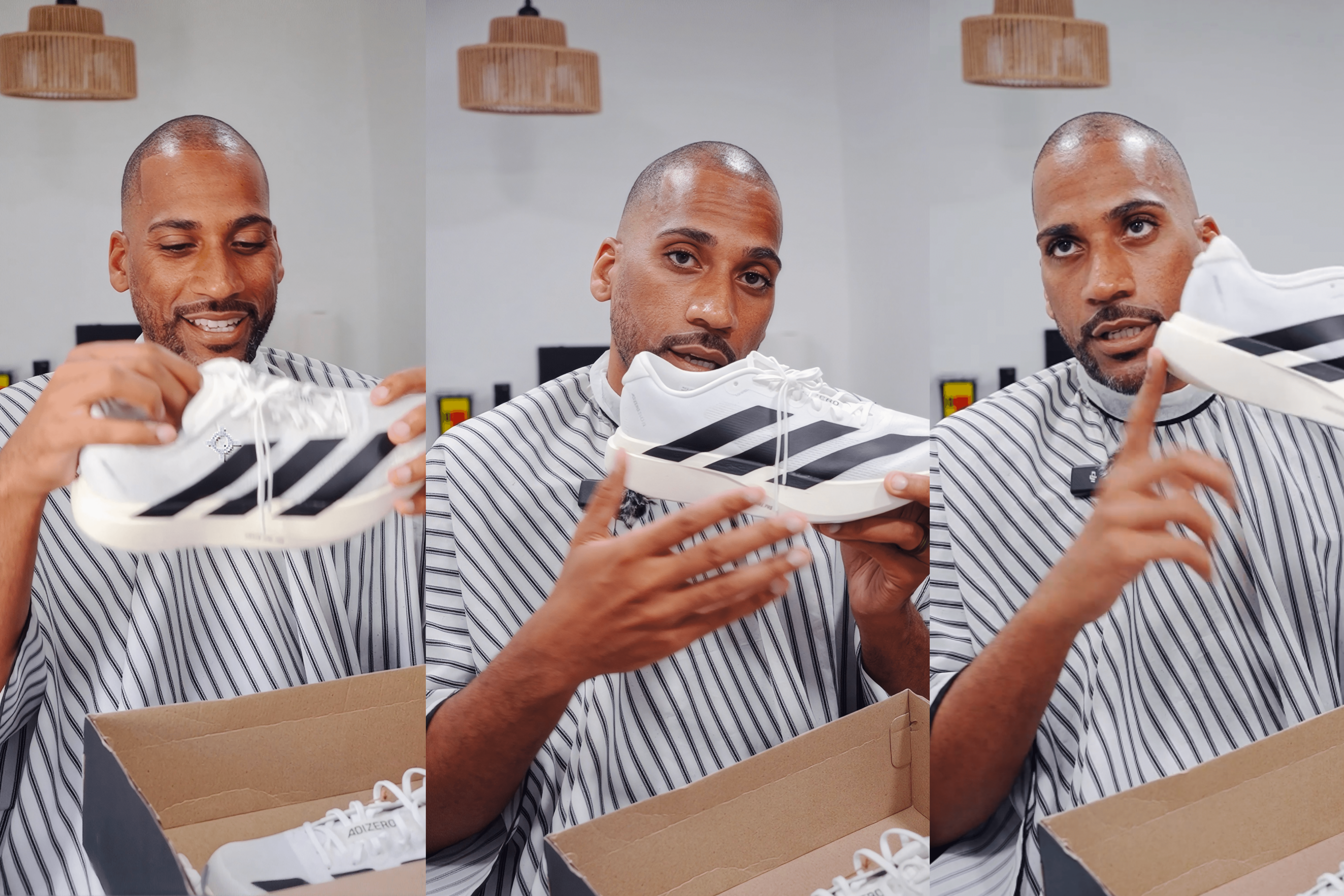
“My dad would wear these to grill.”
PASS
This one hurt.
At 6’7”, our professional athlete was arguably the person you might expect to respond most favorably to a performance-derived shoe.
Instead, he took one look at the Evo SL and went somewhere completely different.
Dad shoes.
More specifically: he could picture his father wearing them while standing over a grill 😅
It was a reminder that performance legitimacy doesn’t automatically create desirability.
For him, the silhouette read practical before it read progressive. Whatever running technology existed underneath it couldn’t overcome the immediate cultural association he made when he looked down.
And footwear may be one of the categories where that first two-second judgment matters most.
THE TRAINER

“I could see these becoming a daily trainer.”
PICK
The reaction changed almost completely when we handed them to our personal trainer.
Rather than beginning with the silhouette, he immediately became interested in what the shoe was built to do.
The cushioning. The weight. The construction. How it might perform over repeated miles.
That makes sense given the Evo SL’s architecture. Adidas uses Lightstrike Pro cushioning and markets the model across training, faster efforts and race-day use rather than confining it to a single running scenario.
What interested us wasn’t simply that he liked it.
It was why.
The athlete saw an object.
The trainer saw a tool.
He could imagine reaching for it repeatedly rather than reserving it for a specific outfit or occasion—the sort of shoe that earns its place because it becomes useful.
THE NIKE LOYALIST
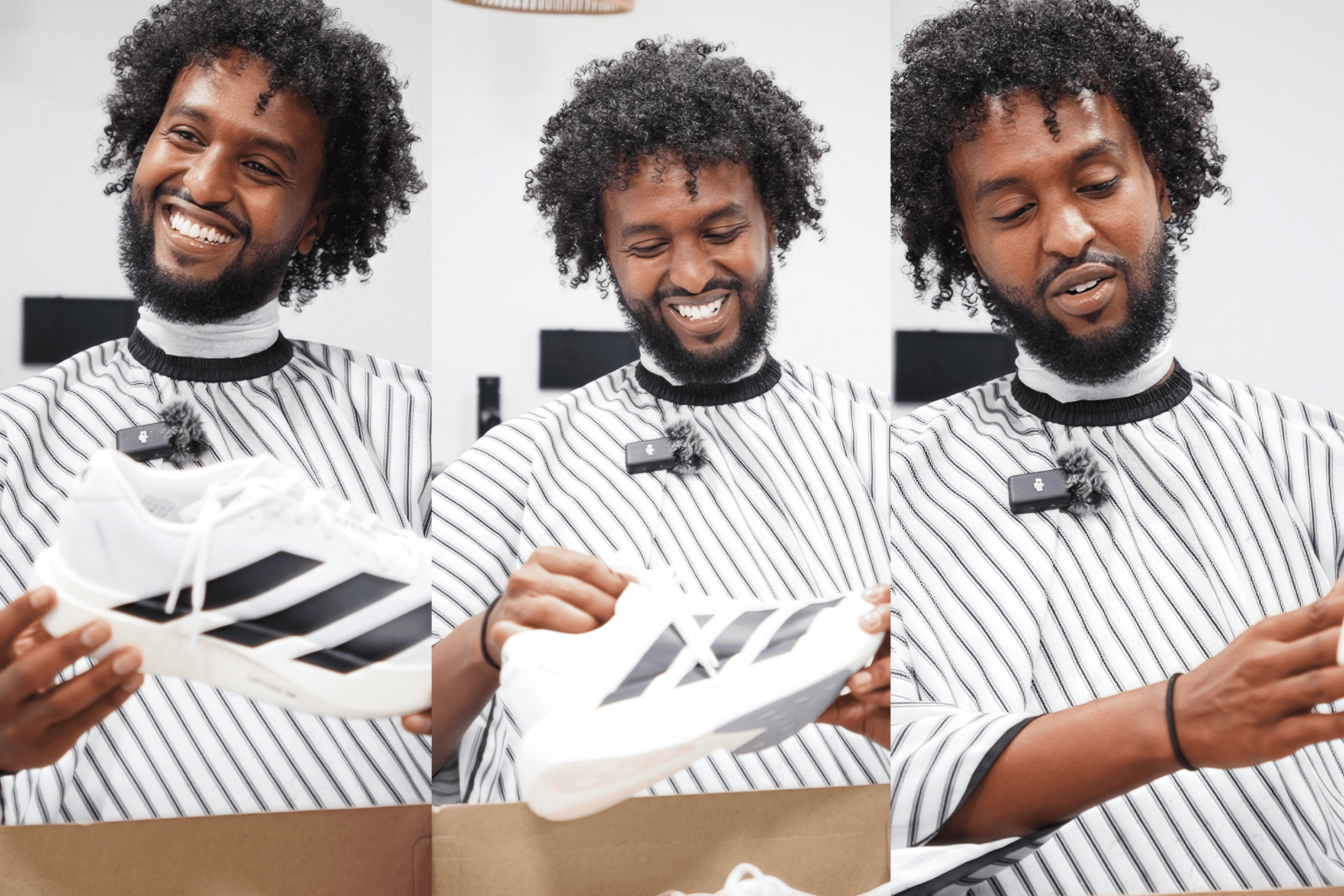
There’s liking a shoe. Then there’s admitting you like an Adidas shoe.
PICK — RELUCTANTLY
Our third tester is an avid Nike wearer, and the possibility of choosing Adidas produced considerably more hesitation than the others.
The Evo SL wasn’t really competing against another running shoe. It was competing against an identity. For many, brand loyalty is a line you do not cross.
Could he wear them? Yes.
Would he voluntarily walk past a suitable pair of Nikes to buy them? Not a chance.
Eventually we got something resembling a concession: if he were specifically shopping for running shoes and Nike didn’t have the right option, he could see himself wearing the Evo SL.
We’ll take it.
Because underneath all of the brand allegiance was something more valuable: the product had passed the visual threshold.
He wasn’t rejecting the shoe. He was defending Nike.
THE DESIGNER
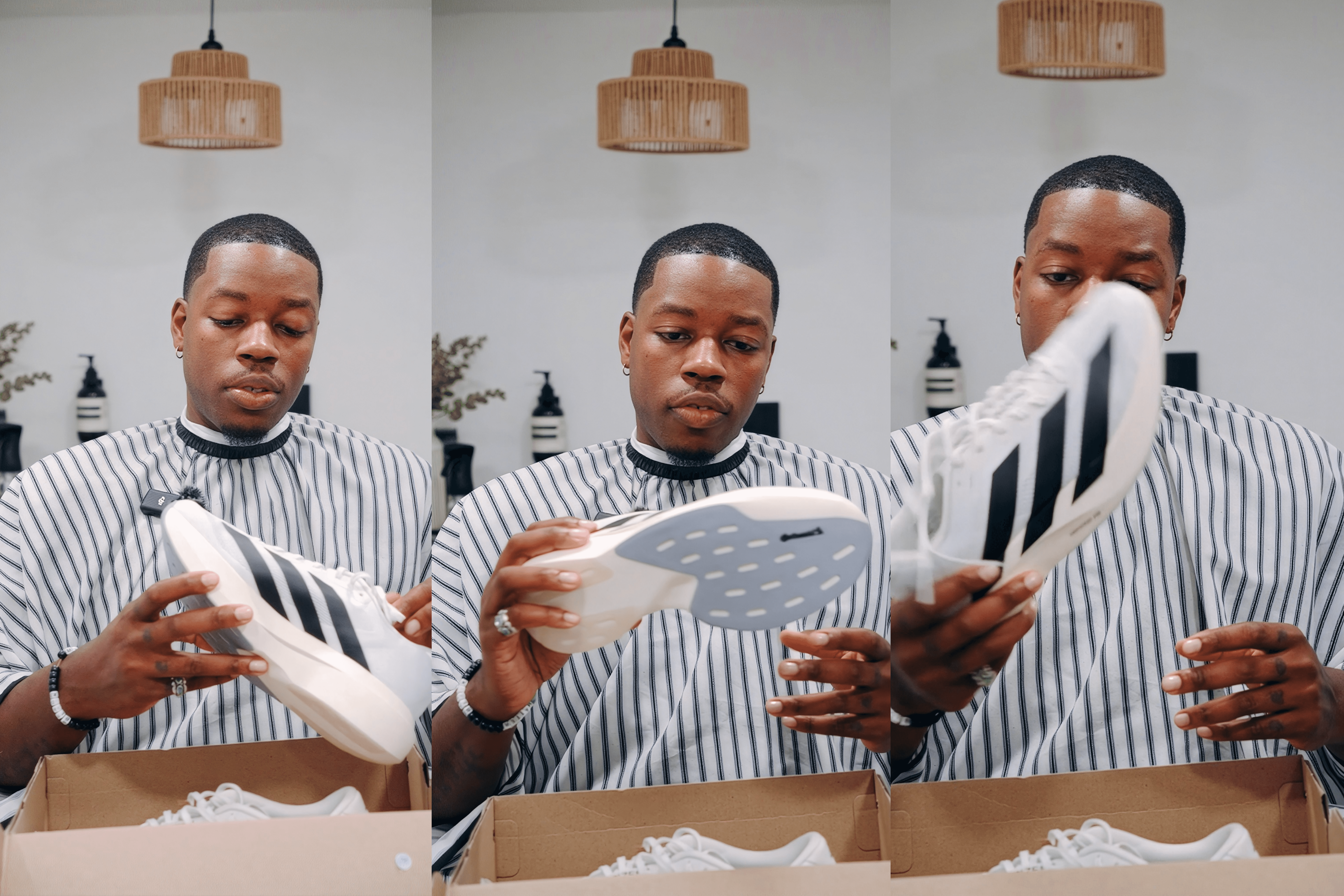
He already owned them.
PICK
Our fourth tester runs a clothing brand, follows design closely and runs casually.
We handed him the Evo SL.
He already had a pair.
More interestingly, his appreciation wasn’t really centered on Adidas’ running technology.
He had been watching what the company was doing aesthetically.
He praised the silhouette and talked about following Adidas’ recent footwear direction with genuine interest.
That might be the most important reaction of the four.
Adidas doesn’t describe the Evo SL exclusively as running equipment. The company says its racing-derived aesthetic was intentionally designed to extend beyond running.
In real time, this was evidence that the crossover was actually happening.
This guy wasn’t a performance athlete searching for marginal gains. He was someone whose profession makes him unusually sensitive to form, proportion and visual language, and more importantly…he had already bought the thing before we ever asked him about it.
3 PICKS. 1 PASS.
The funny thing about putting four people in front of the same shoe is how quickly the idea of an objective review starts falling apart.
The athlete judged the Evo SL through style.
The trainer through utility.
The Nike fan through brand identity.
The designer through form and cultural direction.
And that may explain why the Evo SL has become such an interesting object for Adidas. It sits between categories: recognizably performance-derived but not visually trapped inside performance running. Adidas has continued positioning the model across training and lifestyle, while the broader Adizero line remains rooted in speed-focused running.
Our group didn’t agree on what the Evo SL was, but three of four agreed on something arguably more important:
They’d wear it.
Park AndJungle
Want to join the conversation?
The products, observations, and ideas we publish are informed by hundreds of hours spent talking with clients each year. If you'd like us to share your brand with our community, we'd love to learn more about what you're building.

atlas

1hr



field
8hr

cure
6hr

uninterrupted
6hr

bevel
7hr