Park AndJungle
Tyler
5 min
If fragrance is really about identity, perhaps the more interesting question is not just about what smells expensive, it's about who gets to define what expensive is supposed to smell like in the first place.
Have you ever stopped to think about how luxury fragrance always seems to have a pretty familiar brand schema? French names. Italian leather. Some reference to a hotel in Paris, yada yada…
Even the bottles tend to speak the same language. Heavy glass, muted colors, very serious typefaces. We've seen those cues so many times that it starts to feel like luxury naturally comes from Europe.
The truth is, scent actually makes that idea a little harder to hold onto. Smell is one of the fastest ways to get pulled back into a place, a person, or a memory. It can remind you of a first date, your mother's kitchen on a Sunday evening after church, the odd and indescribable smell of your clothes after playing outside in the summer, or something else you cannot fully explain but immediately recognize.
If fragrance is really about identity, perhaps the more interesting question is not what smells expensive, but who gets to define what expensive is supposed to smell like in the first place.
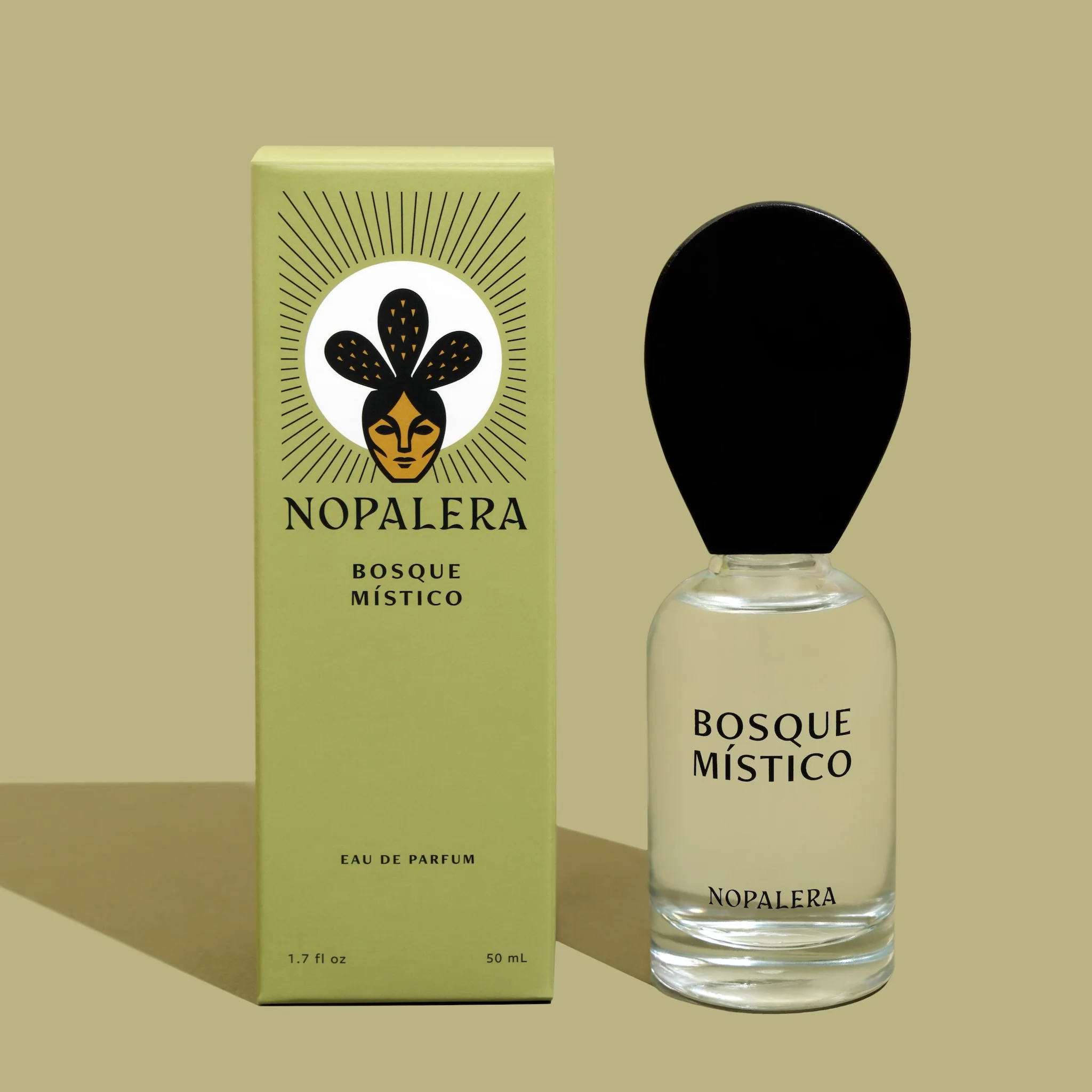
That is why Nopalera has recently caught our attention. The brand pulls from Mexican ingredients, color, landscape, and cultural memory without seeming interested in translating itself into the usual luxury vocabulary first.
It feels less like, “Here is our version of European prestige,” and more like, “This is already worthy of prestige.” That difference matters. A scent tied to cactus, flowers, fruit, smoke, heat, or something that reminds you of your grandmother’s house can carry more emotional weight than another paragraph about craftsmanship in Grasse…and maybe that is where luxury starts to open up a bit. Not by abandoning quality or refinement, but by admitting that refinement can come from more than one cultural reference point.
We haven't put Nopalera in front of the Park AndJungle community yet, but I think the reaction would be worth seeing. Not just whether the scents smell good, but what they unlock.
Does a man connect a fragrance to family, place, attraction, pride, or something he cannot quite name?
Does cultural familiarity make the product feel more personal, or does it introduce him to a version of luxury he had never really considered?
Does the story change how he experiences the scent, or does the scent do all the work on its own?
Somewhere in there is a much bigger question about how men build identity through fragrance, and whether the next era of luxury will be defined less by one old standard and more by the memories, places, and people we actually bring with us.
Park AndJungle
Want to join the conversation?
The products, observations, and ideas we publish are informed by hundreds of hours spent talking with clients each year. If you'd like us to share your brand with our community, we'd love to learn more about what you're building.

atlas

1hr



field
8hr

cure
6hr

uninterrupted
6hr

bevel
7hr