Park AndJungle
Tyler
5 min

Naomi Osaka’s Allen Iverson tribute at the U.S. Open is compelling because it points to something bigger than the expression of style. The cornrows, headband and sleeves are recognizable, sure, but Iverson’s real impact was that he broke all expectations about what a superstar was supposed to look like, sound like, and ultimately carry himself.
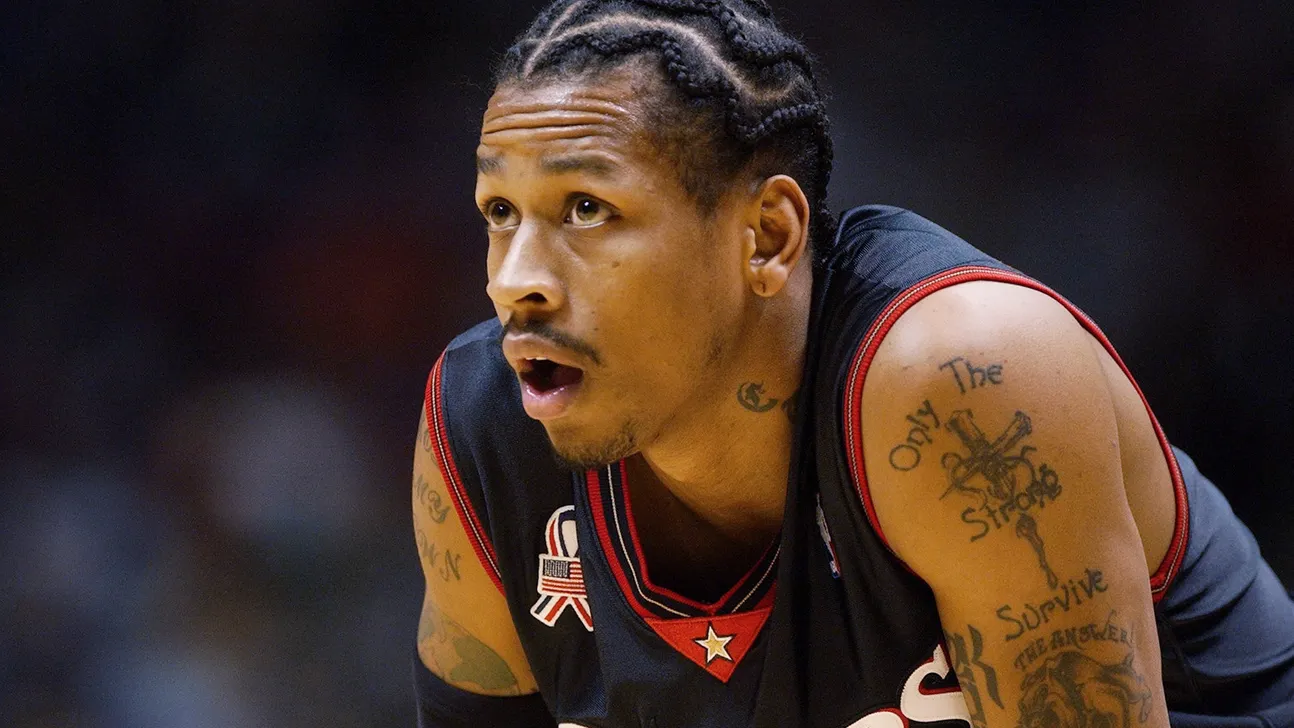
Naomi Osaka’s Allen Iverson tribute at the U.S. Open is compelling because it points to something bigger than the expression of style. The cornrows, headband and sleeves are recognizable, sure, but Iverson’s real impact was that he broke all expectations about what a superstar was supposed to look like, sound like, and ultimately carry himself.
In the late 90s and early 2000s, the NBA still had a pretty narrow image of professionalism. Michael Jordan was the clean-cut corporate ideal. Iverson came in looking like the culture many of the league’s young fans actually lived in, and he refused to soften it to make anybody more comfortable. It's what made him controversial, but it also made him impossible to ignore.
Osaka calling him a trailblazer isn't just a fashion compliment, it's an acknowledgment that he expanded the visual vocabulary of professional sports.
There's a book about Iverson called Only the Strong Survive: The Odyssey of Allen Iverson by Larry Platt, that describes him as someone who crossed into mainstream American culture “without compromise,” while being criticized for his tattoos, cornrows, clothes, music and the people he kept around him. Iverson’s own memoir, Misunderstood, goes even further into that tension.
People often forget that a lot of the things that are accepted today once read as defiance. He didn't just popularize a look, he forced institutions, brands and fans to reconsider whether polish had to mean assimilation, all while etching his own lane of excellence that could not be denied.
This is what makes Osaka’s tribute feel so fitting. Tennis is another sport with a long history of expectations around presentation, decorum and who gets to define elegance. When she borrows from Iverson, she is really borrowing from the permission he created.
It's the permission to be elite without sanding off everything culturally specific about yourself. That's the part of his legacy that keeps getting bigger with time. You can trace a straight line from Iverson being criticized for how he showed up, to athletes today treating the tunnel, the entrance, the hairstyle and the outfit as part of the performance itself.
What's amazing is how his authenticity eventually broke the barrier so completely that younger athletes today can reference his legacy as heritage instead of rebellion.
Park AndJungle
Want to join the conversation?
The products, observations, and ideas we publish are informed by hundreds of hours spent talking with clients each year. If you'd rather participate than just read, we'd love to have you in the chair.