Park AndJungle
Tyler
5 min
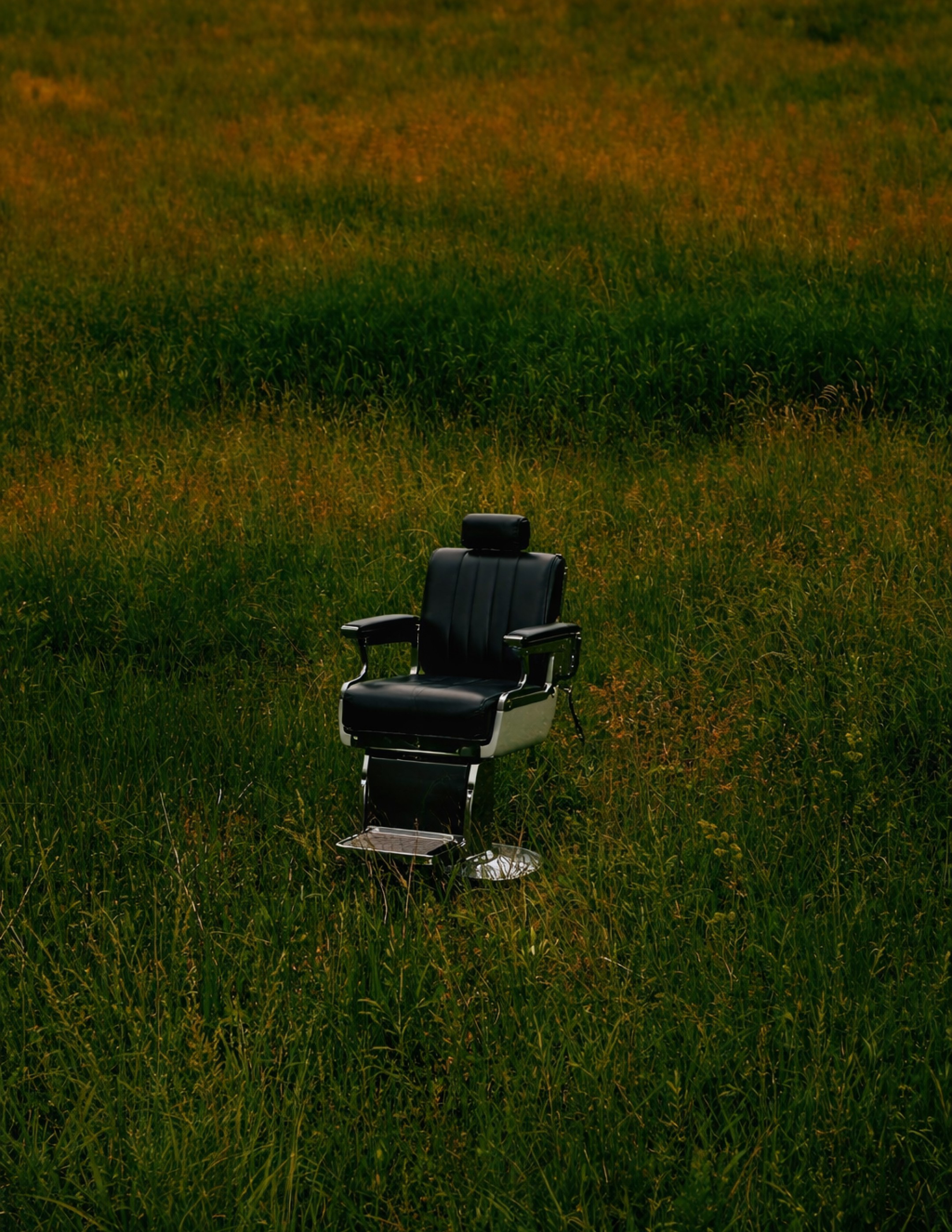
The clients who consistently leave happy tend to do a few things well. They show up clean, arrive on time, bring references, communicate clearly, and understand that a haircut is a collaborative process—not a transaction to be evaluated halfway through.
A better haircut usually starts long before the clippers come on.
The clients who consistently leave happy tend to do a few things well. They show up clean, arrive on time, bring references, communicate clearly, and understand that a haircut is a collaborative process—not a transaction to be evaluated halfway through.
Ironically, one of the biggest mistakes isn't asking for too much.
It's asking for too little.
"Just do whatever."
For some barbers, that's an opportunity to create. For most, it's an unnecessary gamble. Hair density, growth patterns, cowlicks, styling habits, and maintenance tolerance all influence what's possible. A haircut that works on someone else may require adjustments to work on you.
Photos remain one of the most useful tools a client can bring into the consultation. They remove ambiguity. Terms circulating online—whether it's a textured crop, burst fade, or soft mullet—can mean different things depending on who's behind the chair. Images give both sides a shared understanding of the destination.
There's also value in respecting the appointment itself. Booking a haircut doesn't always leave room for a beard service, scalp treatment, or major restyle. Showing up late compresses the experience for everyone that follows. And constantly checking the mirror while a fade is halfway finished rarely improves the outcome.
The best barber-client relationships are built on trust.
You explain where you're trying to go.
The barber explains how to get there.
Then both people commit to the process.
Good haircuts happen in the chair.
Great haircuts usually begin before you ever sit down.
Park AndJungle
Want to join the conversation?
The products, observations, and ideas we publish are informed by hundreds of hours spent talking with clients each year. If you'd like us to share your brand with our community, we'd love to learn more about what you're building.

atlas

1hr



field
8hr

cure
6hr

uninterrupted
6hr

bevel
7hr