Park AndJungle
Tyler
5 min
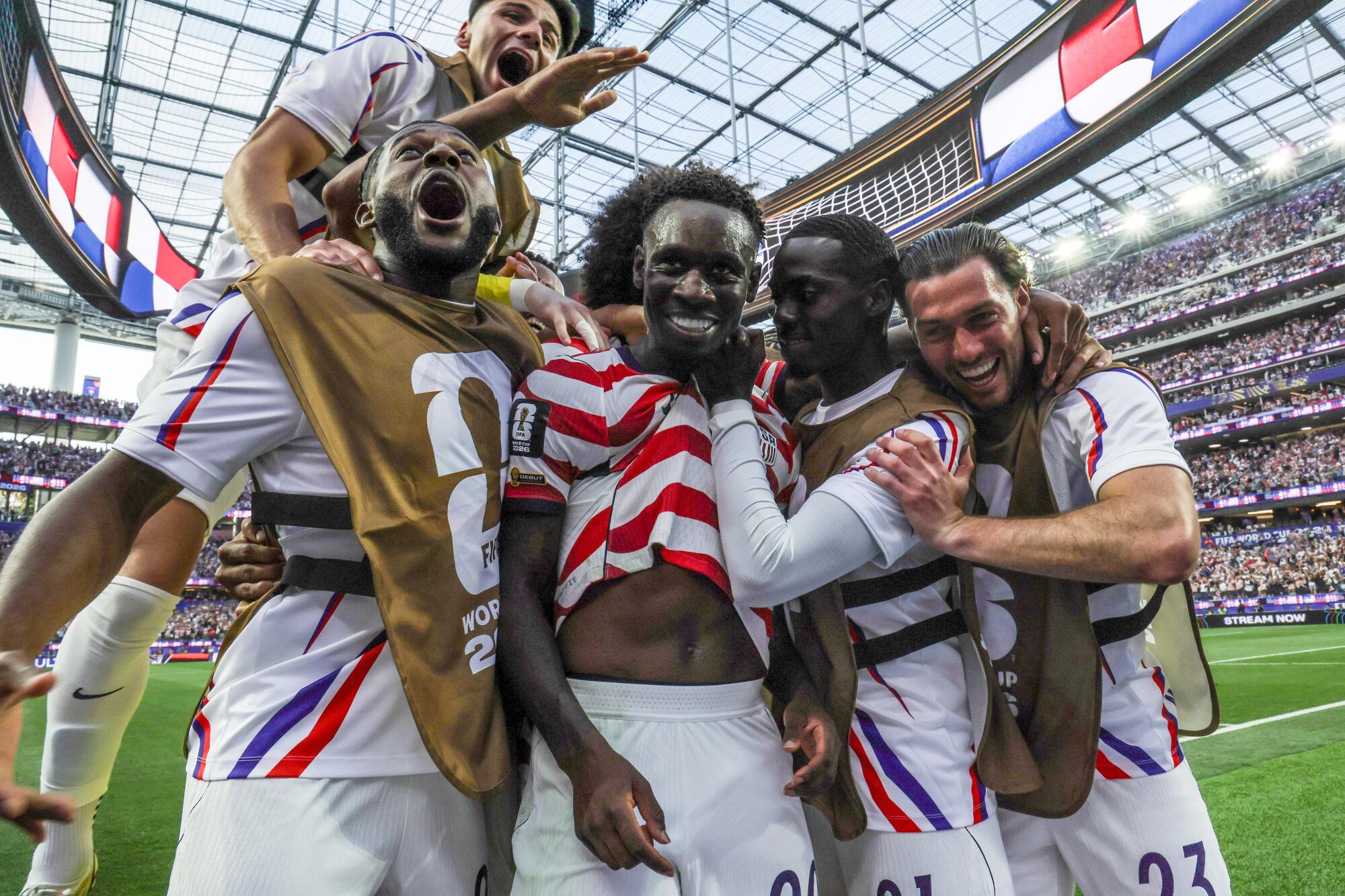
At a moment when the world often appears incapable of agreeing on much of anything, it can still arrange for thirty-two nations to meet on fields across a host country and play by the same rules.
There is something strange about the World Cup.
Not the spectacle itself, exactly. We have grown used to spectacle. Stadiums, flags, television rights, corporate sponsors, national anthems, slow-motion replays, the familiar machinery of global attention. None of that is surprising anymore.
What feels strange is the coordination.
At a moment when the world often appears incapable of agreeing on much of anything, it can still arrange for thirty-two nations to meet on fields across a host country and play by the same rules. Flights arrive. Teams gather. Referees are appointed. Broadcasts begin on time. Flags are raised. Anthems are played. People who disagree about nearly everything agree, temporarily, that this match matters.
There is something almost absurd about that.
The same planet that struggles to solve wars, displacement, climate, hunger, debt, and political distrust can still organize a monthlong tournament with astonishing precision. Governments that barely speak to one another send teams into the same competition. Supporters from nations with complicated histories sit inside the same stadium. For ninety minutes, conflict is translated into possession, tackles, missed chances, yellow cards, penalties, and goals.
It would be easy to make too much of this. Football does not heal the world. A match cannot resolve what politics, diplomacy, and human nature have failed to settle. The World Cup has always carried its own contradictions: money, nationalism, corruption, exclusion, spectacle.
Still, it reveals something we should probably not overlook.
Human beings remain capable of shared ritual.
We can still build something large enough for billions of people to recognize. We can still agree to pause, watch, argue, celebrate, mourn, and return two days later to do it again. We can still create a temporary order inside a disordered world.
Maybe that is why the World Cup feels so powerful…not because it proves the world is united…but because it proves that, even now, coordination is possible.
The tragedy is that we seem to reserve it for games.
Park AndJungle
Want to join the conversation?
The products, observations, and ideas we publish are informed by hundreds of hours spent talking with clients each year. If you'd like us to share your brand with our community, we'd love to learn more about what you're building.

atlas

1hr



field
8hr

cure
6hr
uninterrupted
6hr

bevel
7hr