Park AndJungle
Avery Simms
5 min
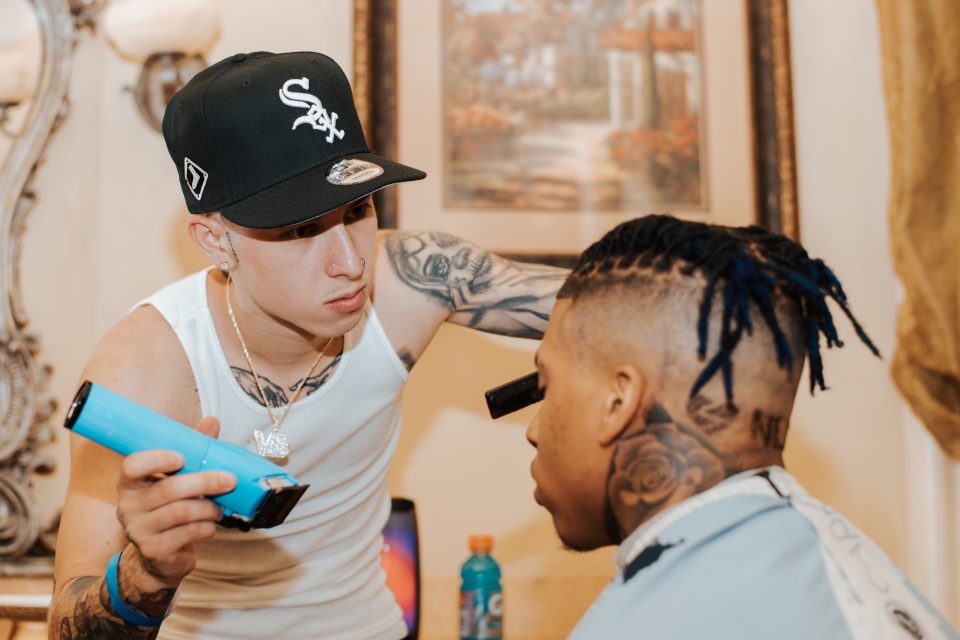
Celebrity barbering sits at the intersection of several things millennials have been told to pursue at once: independence, entrepreneurship, culture, flexible work, and personal branding.
For a long time, barbering was understood as a trade built around local reputation. You learned the craft, built a book of clients, opened a shop, and, if things went well, spent decades cutting generations of the same families. That model still exists, but social media has created another version of the profession. The barber is no longer necessarily confined to the shop. Today, a successful barber can travel with athletes, work backstage with musicians, appear in campaigns, teach classes, sell products, create content, and build a recognizable name independent of the chair. For a generation raised alongside Instagram, YouTube, and sneaker culture, that possibility has made barbering look less like a fallback trade and more like a creative career.
The appeal is easy to understand. Celebrity barbering sits at the intersection of several things millennials have been told to pursue at once: independence, entrepreneurship, culture, flexible work, and personal branding. A barber can theoretically own the relationship with the client, control the schedule, develop a visual identity, and turn a service into an audience. Unlike many creative industries, the path also feels tangible. The work produces an immediate result, the customer is physically present, and skill is visible. A clean fade or lineup can travel from the chair to Instagram within minutes. When the client happens to be a professional athlete or recording artist, the haircut becomes part of a much larger cultural image.
Social media changed what that visibility is worth. The celebrity client may attract attention, but the more important shift is that barbers can now convert proximity into their own businesses. Their feeds become portfolios. Tutorials become education products. Recommendations become sponsorship opportunities. A barber who once depended entirely on appointments can eventually add classes, tools, merchandise, brand partnerships, or a second location. The most successful examples make the profession look almost borderless, moving between grooming, fashion, sports, entertainment, and entrepreneurship. In that sense, the celebrity barber represents the same transformation seen across many service industries: the person doing the work can now become the media company around the work.
The image can also hide how demanding the profession remains. Celebrity access does not replace technical ability, customer service, consistency, or years spent building trust one appointment at a time. Most barbers will never spend their week traveling with famous clients, and many may not want to. But the aspiration matters because it changes how the trade is perceived. Barbering now offers something previous generations rarely associated with the profession: a visible path from local craft to cultural influence. The dream is no longer simply to own the shop. Increasingly, it is to build a career large enough that the chair becomes only the beginning.
Park AndJungle
Want to join the conversation?
The products, observations, and ideas we publish are informed by hundreds of hours spent talking with clients each year. If you'd like us to share your brand with our community, we'd love to learn more about what you're building.

atlas

1hr



field
8hr

cure
6hr

uninterrupted
6hr

bevel
7hr